会员
 下载APP


2026年11月19日,Anthropic(ANT.O)在纳斯达克挂牌,代码ANT。
发行价83美元,比路演区间(70到78美元)还高。发行股数从8.3亿股上调到9.8亿股;募资813亿美元,美股史上最大IPO。
按完全稀释算,估值约1.5万亿美元。
而公司2021年才成立。
招股书的第一页,公司把自己定义成"研究实验室":
"Anthropic was founded in 2021 by a team of researchers responsible for many of the breakthroughs that define SI. We are first and foremost a research lab"
(Anthropic由一群研究者于2021年创立……我们首先且最重要的身份,是一个研究实验室)
一家上市即万亿美元市值的研究实验室,或许也意味着人类商业新纪元的开启。
一、按token计价的"智能"
Anthropic旗下核心产品叫Claude。
但Claude不是一个"产品",是四个档位的模型,按能力和成本排开:

客户按任务挑档位:写代码、复杂推理用贵的;日常文本处理用便宜的。
招股书对这个定价逻辑有个说法,叫"pay-for-intelligence"(为智能付费):
"customers pay for usage, which is metered in tokens and priced according to the model selected."
“(客户按使用量付费,以token计量,按所选模型定价。)”
这就像电费:按度收费,用得越多越贵,只是这里的"度"叫token。
除了按量付,还有订阅:
"we offer certain of our applications on a subscription basis, serving both enterprises and prosumers... the subscription term, which is generally 12 months or less."
“(部分应用以订阅方式提供,服务企业和个人专业用户,订阅期一般不超过12个月。)”
两种模式的实际占比:

公司八成收入按token计费。
它的客户分四层(截至2026年9月30日):
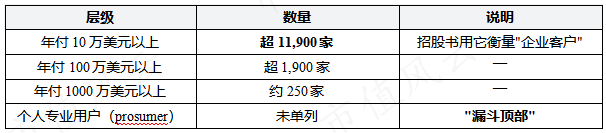
一年前,年付10万美元以上的客户是"超过950家"。一年,变成11,900家,也就是12.5倍。
招股书对个人用户有个很实在的定位:
"These users provide strategic value as a top-of-funnel engine for our enterprise business—individuals who utilize Claude for their personal work and then champion it inside their organizations."
“(这些用户是企業业务的漏斗引擎:个人先用起来,再把Claude推回自己所在的组织。)”
翻译:先让工程师自己掏钱用,再让他去说服公司采购。这是Slack、Figma那一代软件公司走过的路。
而"谁付钱"的最后一层,藏着这个时代最奇特的一个角色:云厂商。
Claude可以在AWS、GCP、Azure三个云上买到。客户可以直接找Anthropic签,也可以在自己的云账单里买——招股书说"很多客户两条渠道都用"。
云厂商在这里面同时演四个角色:

一家云厂商,可以是你的房东、你的柜台、你的股东、同时是你的对手。
招股书自己在风险因素里承认了这一点:
"A substantial portion of our revenue is driven by a limited number of customers. While no single customer represented more than 10% of our revenue for the nine months ended September 30, 2026, our top five customers represented approximately 25% of our revenue."
“(相当一部分收入来自少数客户。虽然2026年前九个月没有单一客户超过10%,但前五大客户合计约占25%。)”
前五占25%,没有一家超过10%,客户结构还算分散。
再来看公司的剩余履约义务。
"As of September 30, 2026, remaining performance obligations amounted to $13.8 billion. The Company expects to recognize approximately 75% of this amount as revenue over the next 12 months."
“(截至2026年9月30日,剩余履约义务138亿美元,其中约75%将在未来12个月内确认。)”
138亿美元,占它年化收入(810亿)的17%,约2个月的量。
这就是"按量计费"的另一面:客户没有承诺,随时可以停。招股书也将其视作风险因素:
"Many of our top customers are not subject to long-term contracts with us or have contracts with near-term expiration dates and are able to reduce or in some cases cease spending at any time."
“(我们很多头部客户没有长期合同,合同到期日很近,可以随时减少甚至停止支出。)”
二、三年半,从0到单季170亿美元

公司收入从2023年的4,100万美元,到2026年前九个月的332亿美元。
招股书里的原话是:
"revenue growing from $0 at commercial launch in the first quarter of 2023 to $17.0 billion for the three months ended September 30, 2026."
“(收入从2023年一季度商业化时的零,增长到2026年三季度单季的170亿美元。)”
三年半,从零到单季170亿。这个速度在商业史上没有先例。
然后是净亏损:1040亿。
这是全篇最需要说清楚的一件事。
把利润表拆开:

1040亿的净亏损里,943亿是"可转债、衍生负债和SAFE的公允价值变动"。
这是什么?
Anthropic这些年发了很多可转债。这些债在会计上要按公允价值计量,而公允价值随着公司估值上涨。
公司估值越高,这笔负债越值钱,账上就要确认越大的"损失"。结果就是:它越好,账面亏得越多。
招股书写得很直白:
"Change in fair value of convertible notes, derivative liabilities, and SAFEs"
“(可转债、衍生负债与SAFE的公允价值变动)”
这不是经营,这是会计。
把这一项拿掉,2026年前九个月的真实经营亏损是12.6亿美元。而同一个数字,2025年全年是80.6亿。
这才是这家公司真正的经营曲线。
三、9009亿美元算力承诺,成本率从251%降到56.6%
收入涨了,成本呢?

这是一条投资者爱看的曲线:算力成本占收入比重,从251%降到48%。
2025年一季度,它每收1块钱,要花2.5块钱的算力。到2026年二季度,只要花0.48块。
但三季度,从48%反弹到58%。算力成本从55.6亿美元环比涨了77%,而收入只涨了47%。

招股书对这件事的解释,是理解这家公司的关键:
"Compute and infrastructure expenses as a percentage of revenue decreased as revenue increased significantly in 2025 compared to 2024, against a compute base that was committed in advance and did not fluctuate with in-period demand."
“(算力与基础设施费用占收入的比例下降,是因为2025年收入大幅增长,而算力规模是提前承诺的、不随当期需求波动。)”
算力是提前锁死的。
收入涨,这个比例就掉;收入不涨,这个比例就顶回来。
而关于算力,公司最令人瞠目结舌的数据是9009亿美元。
"we have entered into purchase commitments and lease agreements... with an aggregate committed spend of approximately $900.9 billion, substantially all of which is related to compute and infrastructure. These commitments include approximately $451.6 billion expected to be incurred before December 31, 2030... Approximately $70.7 billion of these commitments are due in the 12 months following September 30, 2026."
“(我们已签订的采购承诺与租赁协议,合计承诺支出约9,009亿美元,绝大部分与算力及基础设施相关。其中约4,516亿预计在2030年12月31日前发生,约707亿需在2026年9月30日之后的12个月内支付。)”
对照公司2026年前九个月的收入是332亿,9009亿是它过去九个月收入的27倍。而未来12个月要付的707亿,是它2026年全年收入指引(约500多亿)的1.3倍。
未来一年要付的钱,比未来一年能收的钱还多。这就是它必须上市的原因。
四、开源模型如何表述?
招股书在风险因素里,把主要竞争对手写得很干脆,谷歌和OpenAI:
"our primary competitors in this category include Alphabet(GOOGL.O) Inc. (together with its affiliates, "Google") and OpenAI Group PBC ("OpenAI"). These competitors are developing increasingly capable AI systems and compete with us for customers, talent, compute, and strategic partnerships."
“(这一领域我们的主要竞争对手包括Alphabet(连同其关联方,即谷歌)和OpenAI。它们正在开发能力越来越强的AI系统,在客户、人才、算力和战略合作上与我们竞争。)”
招股书提到的另一层竞争,那就是以中国厂商为代表的开源模型,但公司颇为傲慢地表示:这些模型"虽够用且更便宜",但智能程度不够前沿。
"We also compete with a broader set of model providers operating at or below the frontier... Such providers compete for a growing range of enterprise workloads that prioritize cost efficiency over intelligence."
“(我们也与在能力前沿或以下的更广泛模型提供商竞争……这些厂商争夺的是那些更看重成本效率而非智能水平的企业负载。)”
在风云君看来,公司显然是在刻意淡化开源模型对其商业模式的影响。
从算力承诺来说,公司的杠杆是单向的,没有回头路!
而公司此刻上市就是来买时间的。
创始人Dario Amodei路演时跟摩根大通的Jamie Dimon对谈,说的话倒挺朴素:
他想“少承诺、多兑现。”
"underpromise and overdeliver"
在风云君看来,一家暂时脱离了担心钱够不够烧的大模型公司,也就自然步入了向市场证明其潜力的窗口期。也就是说,未来一两年,AI的前沿将被推进到哪里,自此也将有个参照系。
而开源vs.闭源,最令人担心的,也是未来彼此间的差距会不会因此而大幅拉大?
这是最危险的时候,但风云君坚信开源模型将取得最终胜利,原因无他:先进生产力,应该惠及每一位普通人。